

Traditional systems are designed around requests and responses.
A user performs an action.
A system processes it.
A workflow continues.
This works in controlled environments. But modern operational systems no longer operate sequentially. They operate continuously.
Transactions occur in real time.
Systems change state constantly.
Workflows depend on immediate response.
At that point, systems must become event-driven.
Operational systems generate continuous events
Every operational system produces events.
An order is placed.
A payment succeeds.
Inventory changes.
A workflow fails.
A customer action triggers a process.
In traditional architectures, these events are often processed indirectly or manually coordinated across systems. As complexity grows, this creates delays, inconsistencies, and operational bottlenecks.
Event-driven systems operate through state change
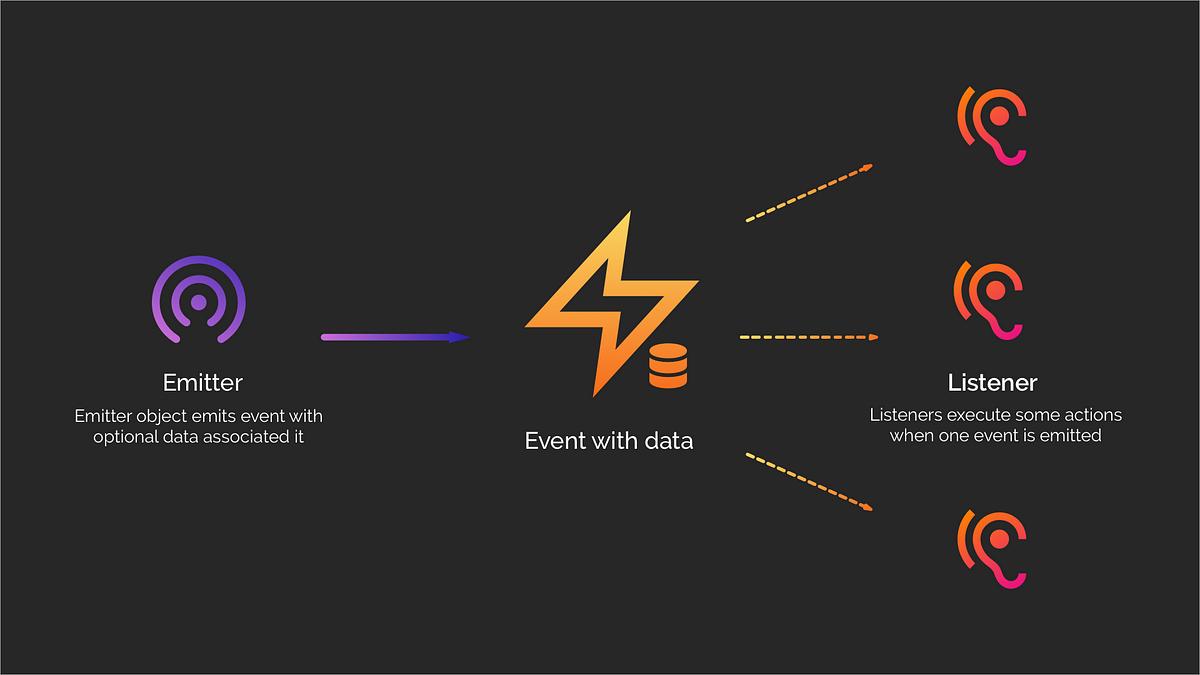
In event-driven systems, workflows respond to system events directly. Instead of systems waiting for manual coordination:
- events trigger workflows automatically
- systems react in real time
- operational state propagates continuously
This changes how systems behave operationally. Processes become responsive instead of sequential.
Real-time operations require architectural responsiveness
Modern systems increasingly depend on immediate operational awareness. This includes:
- inventory updates
- payment processing
- fraud detection
- workflow orchestration
- operational monitoring
- system coordination across platforms
Without real-time responsiveness:
- workflows become delayed
- data becomes inconsistent
- operational visibility decreases
Systems lose the ability to react predictably under complexity.
Event-driven architecture reduces operational dependency
In tightly coupled systems, workflows depend heavily on coordination between services and teams. This creates:
- operational bottlenecks
- fragile integrations
- cascading failures
- increasing system dependency
Event-driven systems reduce this dependency by allowing systems to react independently to shared operational events. This improves:
- scalability
- flexibility
- operational isolation
- workflow responsiveness
Automation becomes operationally native
Automation works best when systems can react automatically to changing state. In event-driven systems:
- workflows execute when events occur
- systems trigger actions dynamically
- operational processes remain synchronised
This allows automation to become part of system behaviour itself instead of a separate orchestration layer.
Intelligence depends on real-time system behaviour
AI and intelligent workflows rely on operational context. Without event-driven architecture:
- decisions occur too late
- workflows react slowly
- systems lose operational awareness
Event-driven systems enable:
- adaptive workflows
- real-time anomaly detection
- predictive operational responses
- intelligent automation
Because systems can react continuously instead of periodically.
Event-driven systems still require structure
Event-driven architecture does not reduce complexity automatically. Without clear structure:
- events become inconsistent
- workflows become difficult to trace
- operational state becomes fragmented
Well-designed event-driven systems require:
- defined event ownership
- observable workflows
- controlled boundaries
- predictable operational behaviour
Structure remains critical.
Scalable systems behave continuously
As systems scale, responsiveness becomes increasingly important. Well-designed systems:
- react in real time
- maintain operational consistency
- isolate failures effectively
- evolve without tightly coupling workflows
Complexity increases. But systems remain operationally controllable.
Final perspective
Modern operational systems cannot rely solely on sequential workflows and manual coordination. Scalable systems increasingly operate through events. Not because event-driven architecture is a trend. But because real-time operational environments require systems that can respond continuously to changing conditions. Because systems that react too slowly eventually lose operational control.
Real-time systems are not defined by speed alone.
They are defined by how well they respond to operational change.
If your systems are becoming harder to coordinate as operations evolve in real time, the architecture behind them may need to change.